


Choosing a Home Marina
After the boat itself, the berth you keep it in shapes everything: how often you use it, what it costs to own, and whether ownership feels like freedom or a chore. A working guide to the most consequential decision most owners make twice.
A boat lives at its marina far more than it lives at sea. The slip is where ownership actually happens: the quick evening visit, the weekend departure, the winter the boat sits untouched. Choose the berth well and the boat gets used. Choose it badly and it slowly becomes a liability you pay for and rarely see.
The single best predictor of how much you will use a boat is how easy it is to reach. A marina twenty minutes from home is visited on a whim. One ninety minutes away is visited on a plan, which in practice means rarely. Before weighing any feature of a marina itself, weigh the drive to it honestly, because that number quietly decides whether the whole enterprise works.
After proximity comes water. The best clubhouse in the world is no use if the basin is too shallow for your draft at low tide, too exposed to the prevailing wind, or too far up a creek that shoals after every storm. A home marina is first a piece of water and only second a set of buildings. Read the water before you read the brochure.
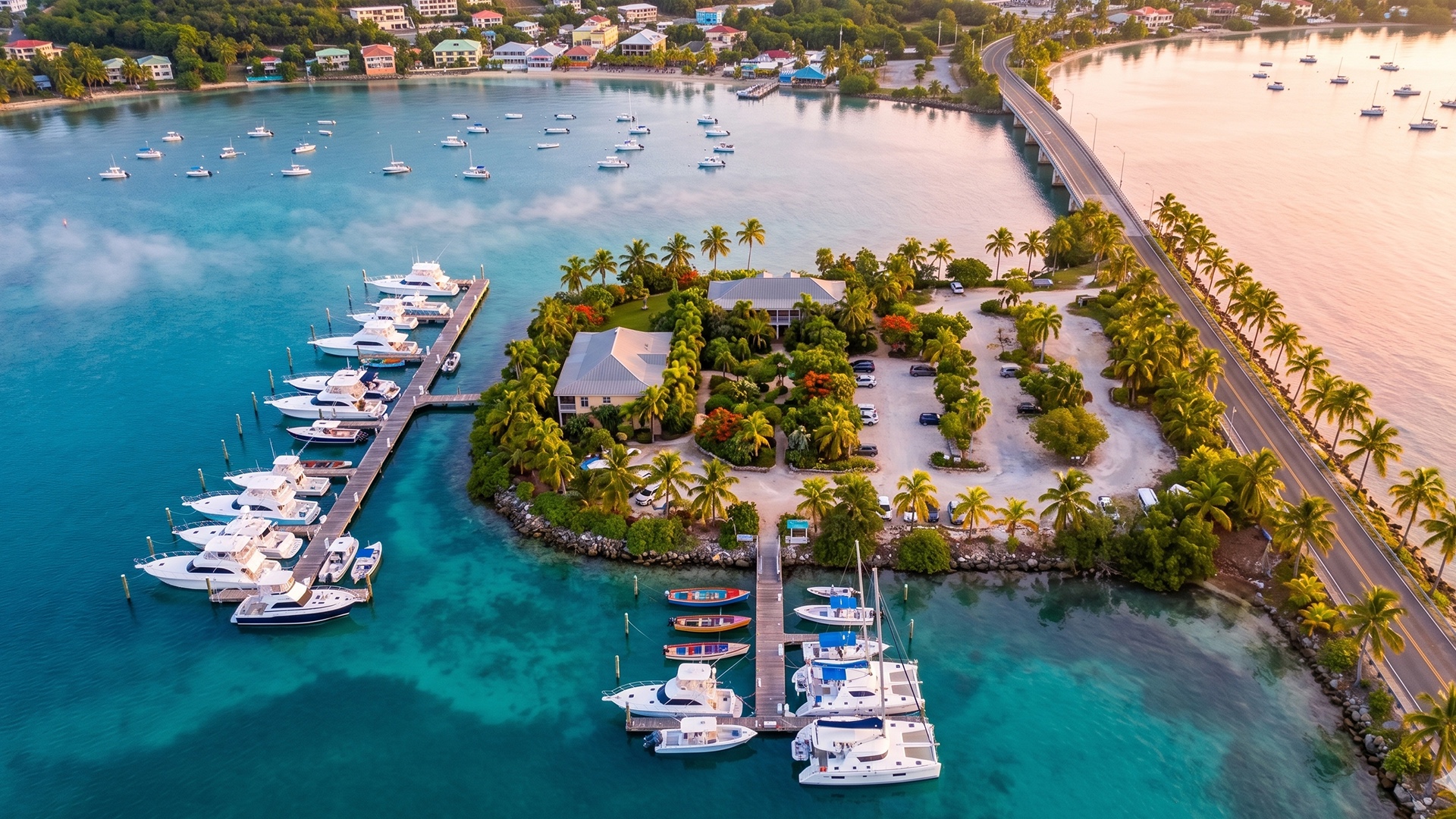
Location and shelter
Begin with the basics of the basin. What is the controlling depth at mean low water, and does it clear your draft with margin on the lowest tides of the year? Which way does the marina face, and what happens when the prevailing wind blows hard against that exposure? A berth that is calm in summer can become untenable in a winter blow if the fetch is wrong.
Then consider access to open water. A marina tucked behind a fixed low bridge limits the boats that can ever leave it. One at the mouth of a busy commercial channel trades convenience for wake and traffic. The ideal is a sheltered basin with a short, clear run to the water you actually want to cruise, whether that is a bay, a sound, or the open coast.
Drive time, not slip price, is the strongest predictor of how often a boat gets used. A berth you can reach in under half an hour will see the water many times more often than one that requires planning a trip to visit.
Shelter is worth paying for. A marina with a real breakwater, floating attenuators, or a naturally protected basin will be calmer at the dock, kinder to your lines and fenders, and far more pleasant to spend an evening aboard. Exposed marinas are cheaper for a reason. On a windy holiday weekend, that reason becomes obvious.
What a berth must provide
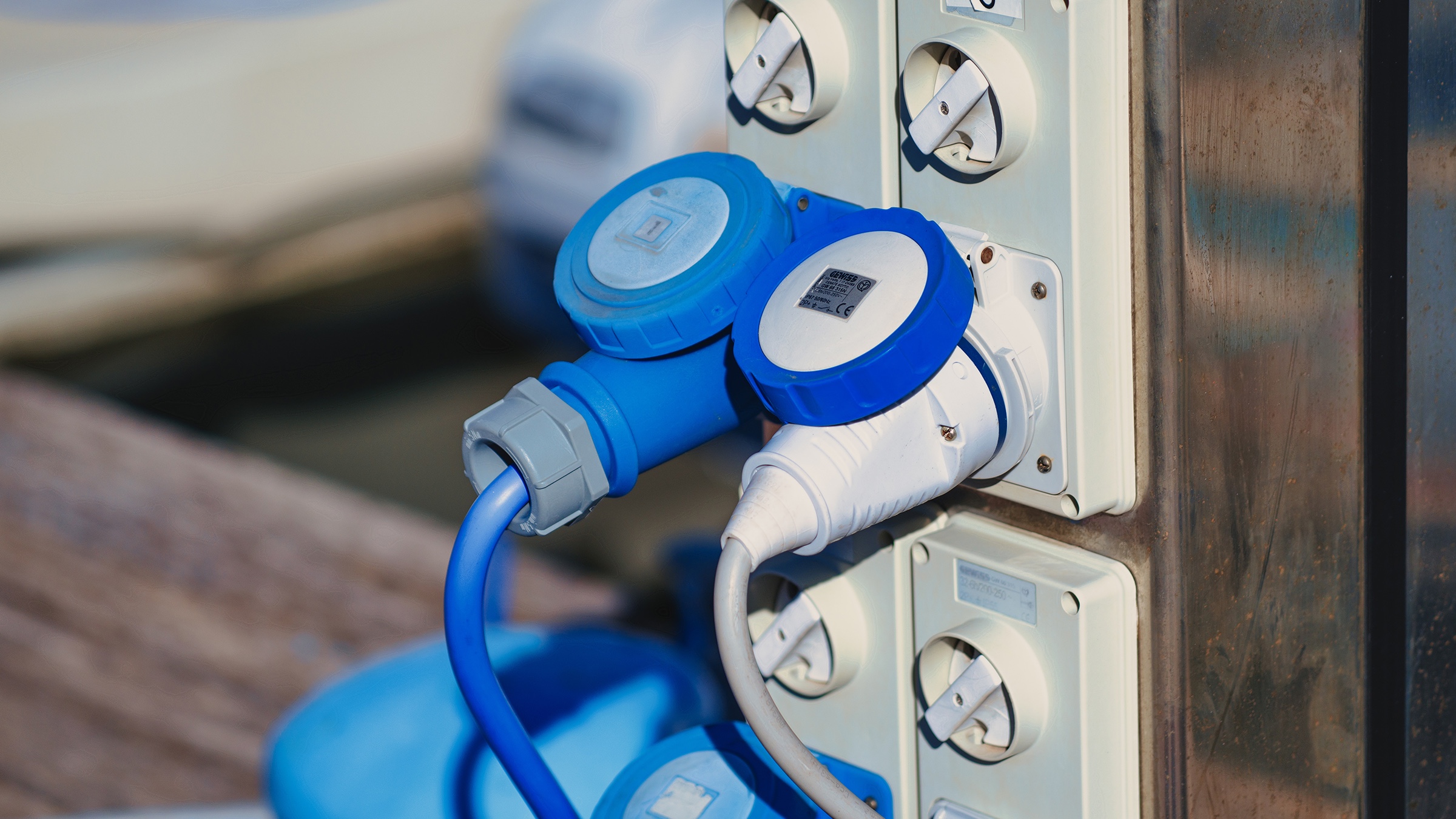
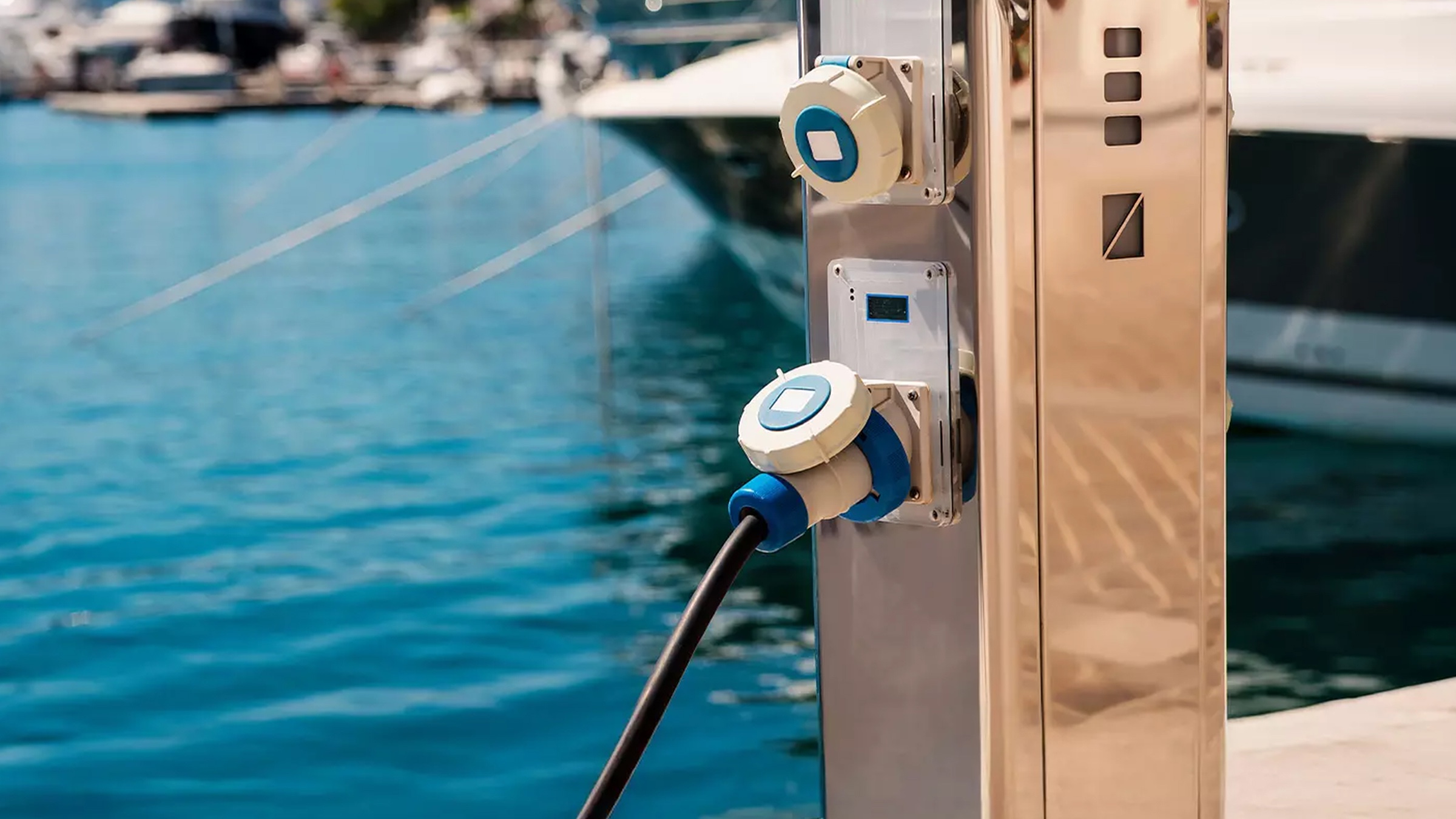
Once the water and the location pass, the infrastructure decides daily life aboard. Shore power is the first thing to check, and the detail most often gotten wrong. A small boat may be content on a single thirty-amp service; a larger vessel with air conditioning, battery chargers and a galley can need fifty amps, sometimes a hundred, and occasionally two separate feeds. Confirm the marina supplies what your boat actually draws, at the dock you would actually take.
Look closely at the pedestals themselves. Modern, well-maintained power and water pedestals signal a marina that reinvests. Corroded outlets, jury-rigged adapters and tripping breakers signal one that does not, and electrical faults at the dock are not a minor inconvenience: they are the leading cause of marina fires and of stray-current corrosion that quietly eats running gear. The condition of the shore power is a fair proxy for the condition of everything you cannot see.
Docks come in two kinds, and the difference matters more in some waters than others. Floating docks rise and fall with the tide, keeping the step from boat to dock constant and making lines simpler to set; they are close to essential where the tidal range is large. Fixed docks sit on pilings at a set height, which is fine in near-tideless basins but means a changing climb to the deck where the water moves. Match the dock type to the water, and to how easily everyone aboard needs to get on and off.
Beyond power and docks, the list of services separates a parking lot from a home. Fuel on site spares you a detour every trip. A pump-out at the dock, or a pump-out boat that comes to you, turns a chore into a non-event. Restrooms and showers, a chandlery or a yard nearby, reliable wifi, a place to land a dinghy, secure parking: none of these is glamorous, and all of them decide whether the marina is somewhere you want to spend time.
Four checks.
Make them in person.
Shore Power
30 · 50
amps, the US standard
Confirm the pedestal supplies what your boat draws. Thirty amps suits small craft; larger vessels need fifty, sometimes one hundred or twin feeds.
Depth at MLW
Draft +
margin at low water
Ask the controlling depth at mean low water in your actual slip and the approach. It must clear your draft on the year's lowest tides.
Dock Type
Float
vs. fixed piling
Floating docks track the tide and ease boarding where the range is large. Fixed docks suit near-tideless basins. Match it to the water.
On-Site
Fuel
& pump-out
Fuel and pump-out on the dock turn routine chores into non-events. Their absence means a detour on every single trip.
“
The condition of the shore power is a fair proxy for the condition of everything you cannot see.
Field Note · USA Onboard Editorial
The dock community
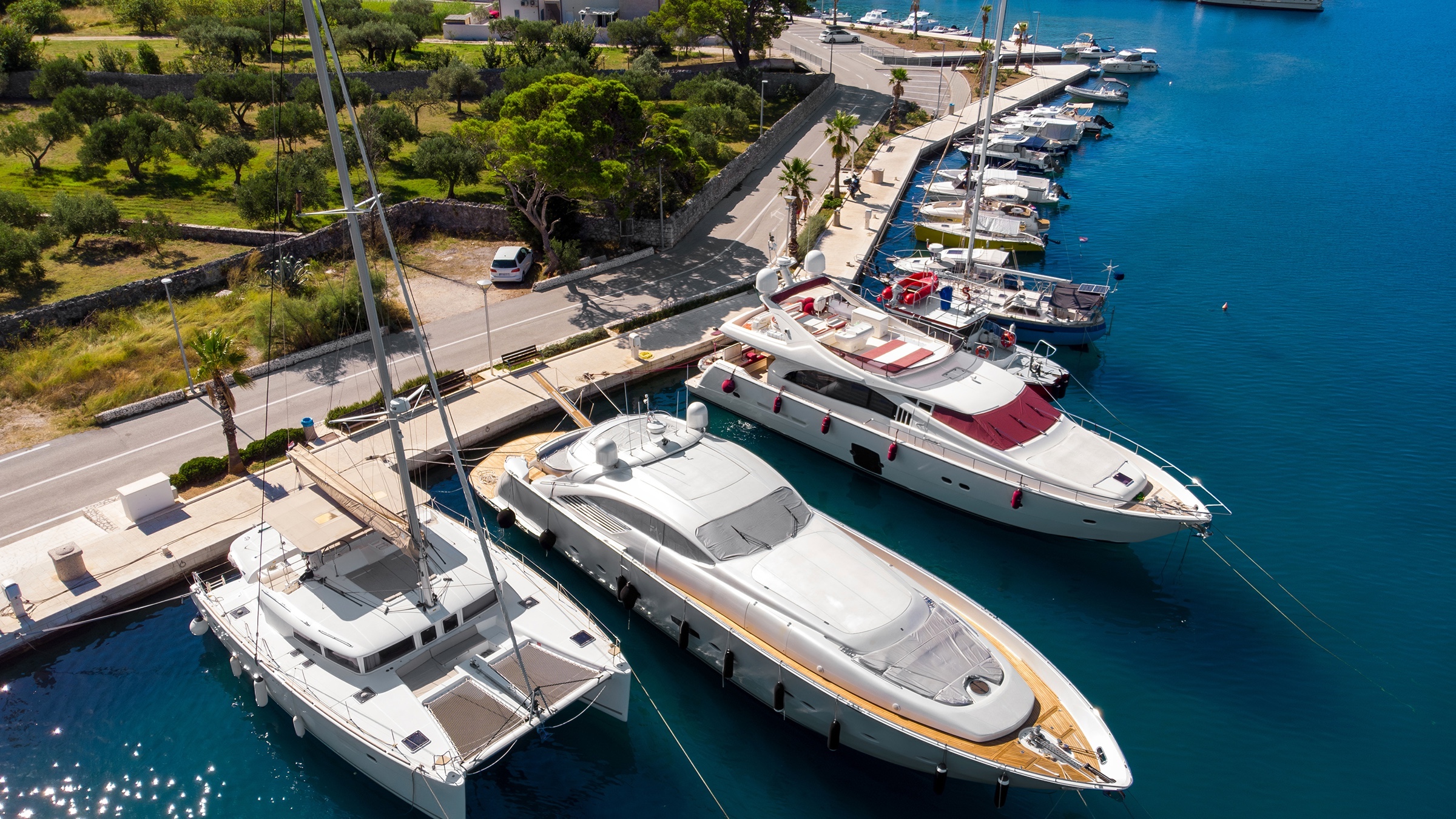
The factor no brochure lists, and the one owners cite most when they love their marina, is the community on the dock. A good marina has a culture: neighbors who keep an eye on each other's lines in a blow, a dockmaster who knows your boat and your name, an informal network that tells you which mechanic to call and which to avoid. This is worth more than a marble clubhouse, and it cannot be bought, only found.
You can read it before you commit. Walk the docks on a weekend. Are people aboard, working on boats, talking between slips, or is the place a silent storage lot? Ask current tenants the one honest question that matters: would you berth here again? A long waiting list is often a better recommendation than any amenity, because boaters vote with their slips and they do not wait in line for a marina that disappoints.
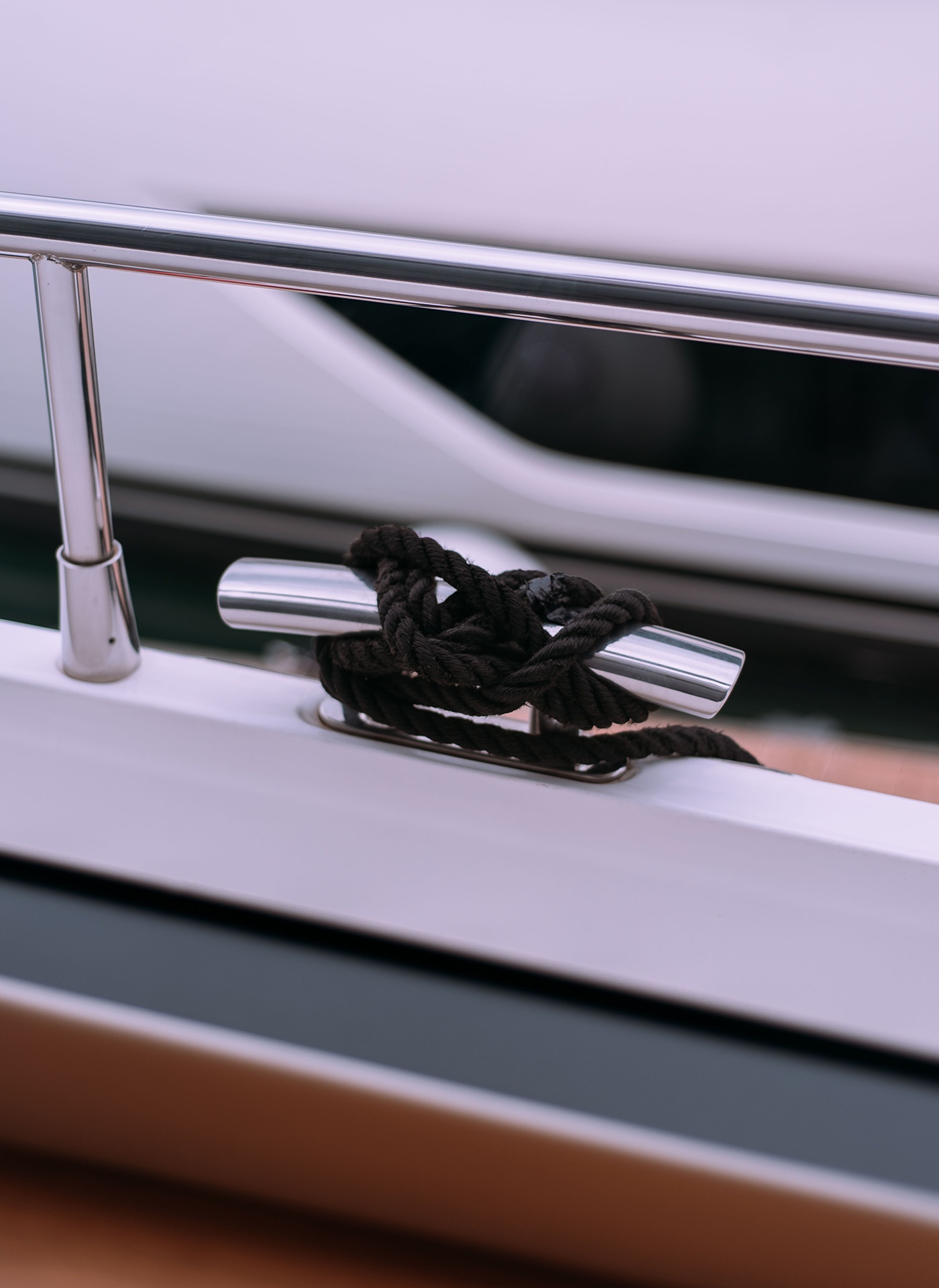
A line made fast The small daily competence a good dock makes easy, and a bad one makes a fight.
Then weigh the contract, because the home marina is also a financial commitment that renews. Understand what the slip fee includes and what it does not: electricity is often metered separately, liveaboard status may cost extra, and some marinas bill by length overall while others count the slip, which can differ by several feet and several hundred dollars. Read the rules on insurance, on guests, on work you may do at the dock, and on how, and how fast, you can leave if the fit is wrong.
Finally, think in seasons, not months. A marina that is delightful in fair weather may be the wrong place entirely when a named storm approaches and you need a plan, a haul-out, or a hurricane hole within reach. Ask what the marina does when serious weather threatens, where the nearest safe harbor or yard sits, and whether your contract obliges you to remove the boat. The best home marina is the one that still makes sense on the worst day of the year, not just the best.
Two short lists worth keeping.
Choosing a Marina · Do
- Measure the honest drive time from home before anything else.
- Confirm controlling depth at mean low water in your actual slip.
- Match shore power to what your boat genuinely draws.
- Walk the docks on a weekend and talk to current tenants.
- Read the contract for storm obligations and the cost of leaving.
Choosing a Marina · Don't
- Choose on slip price alone and ignore the drive that decides usage.
- Trust a brochure photo taken on a flat calm summer morning.
- Overlook corroded pedestals and improvised electrical fixes.
- Assume the basin is deep enough without asking for low water.
- Sign before you know the marina's plan for serious weather.
A home marina is chosen twice: once on paper, and once in the years that follow. Pick the water, the services and the people with the same care you gave the boat, and the slip becomes the reason you go out. Pick them carelessly, and it becomes the reason you do not.
USA Onboard Editorial