




The Art of Changing
Course Gracefully
Weather shifts, anchorages fill, engines disagree with the calendar. The cruiser who reads the itinerary as a draft rather than a contract is not improvising — they are practising the oldest and least discussed discipline at sea.
Every cruise returns home as two voyages. The one plotted in the logbook months in advance, smooth on paper and pleasing in the mind, and the one the sea actually allowed — rerouted, delayed, quietly rewritten somewhere between the first anchorage and the last.
Ask any captain with a few thousand nautical miles in the wake, and the answer is almost invariably the same: the second voyage is the one worth remembering. The itinerary is not discarded; it is consulted, adjusted, occasionally abandoned. What replaces it — a forced night in a small harbour, a cove discovered because the original anchorage was full, a village whose name nobody had looked up — tends to be where the real story of the trip lives.
This is the discipline the trade calls creative flexibility, though it rarely earns a chapter in the seamanship manuals. It is not improvisation, which implies the absence of a plan. It is the older and more demanding art of holding a plan loosely — firm enough to navigate by, soft enough to yield when the weather, the mechanics or the harbourmaster's office decides otherwise.
On a pleasure cruiser, the stakes are lower than on a commercial run, but the temptation is higher. The calendar has been cleared, the guests have flown in, the reservation at the beach club was made in March. The pressure to make it happen is the single largest source of poor decisions in recreational boating. The captain who learns to dissolve that pressure — who treats arrival dates as orientations rather than obligations — is no longer navigating against the sea. They are navigating with it.
The share of the time modern weather models are expected to be correct, according to professional weather routers. The remaining fifteen per cent is, in effect, where creative flexibility earns its keep.Jon Bilger · PredictWind, via Yachting World
The sea's short catalogue
of plan changes
Every cruise, regardless of length or sophistication of boat, is vulnerable to the same small group of disruptions. The list is shorter than most owners expect, and the captains who study it have an easier time on the water than those who wait to be surprised by it.
The first and most common is weather that refuses the forecast. A front arrives twelve hours early, a ridge behaves unlike the model, a local wind — the bora in the Adriatic, the meltemi in the Aegean, the summer squalls of the Bahamas — overrides the wider pattern. Professional routers expect modern models to be right roughly eighty-five per cent of the time. The remaining fifteen is not an abstraction; it is Tuesday afternoon, with a cove ten miles downwind and the seas building faster than planned.
The second is the mechanical event. A fuel filter clogs, a bilge pump refuses to prime, an electronic chart plotter loses satellites. None of these is dramatic. All of them reroute the day. On a modern yacht, with redundant systems and a crew that knows its onboard inventory, a mechanical event is a pause, not a crisis. On a less prepared boat, it becomes the reason a planned week at sea turns into a week alongside a pontoon, waiting for a part.
The third is the full anchorage. A destination reached late in the high season, a mooring field at capacity, a bay whose coordinates everyone in the fleet happens to share. The third boat to arrive at a popular cove on a summer Saturday is rarely the boat that anchors comfortably. Nothing on the chart warns of this. Experience and local channels do.
The fourth — quieter, less discussed — is the crew variable. A child who wakes queasy. A guest who has discovered they dislike open water. A captain who has not slept well in three nights and should not be pushing another passage. These changes rarely make it into the trip report. They alter nearly as many itineraries as the weather.
How an experienced captain reroutes a day
A simplified map of the question tree that runs, almost silently, in the head of the skipper at dawn when the forecast has turned.
Is the forecast trend firm across two models?
The first question is not is it bad, but is the signal consistent. Two independent models in agreement are worth more than one dramatic outlier.
Is a six-hour window still available?
If the weather is degrading but a clean window remains, an early departure is preferable to a crowded afternoon departure into the same system.
Does the present harbour offer real shelter?
Some moorings are only "protected" on paper. Fetch, holding ground and swell direction matter more than the harbour's reputation.
Leave within the window.
The shorter passage to a safer harbour downwind. Often this means abandoning the original destination for a closer one, without emotion.
Stay · adapt ashore.
The day becomes a landed one. Provisions, a village, a meal cooked on board while the rain crosses. Most crews remember these days better than the passages they replaced.
Proceed · revised route.
An alternate anchorage in the pilot guide, a bay the chart flagged but the itinerary ignored. The plan changes; the trip continues.
A Wednesday in the Balearics
A plan collapses at 06:40 and reconstructs itself by dinner. The reconstruction is the point.
Four ways a cancelled passage becomes a day
The afternoons that replace a planned passage rarely look alike. They share only this: the best of them were never on the itinerary.

A rented cart, an island circled
A golf cart, a scooter, a small open vehicle hired for the afternoon. The island seen from the inland road is a different island from the one seen off the bow, and the crew tends to remember the ground-level version better.
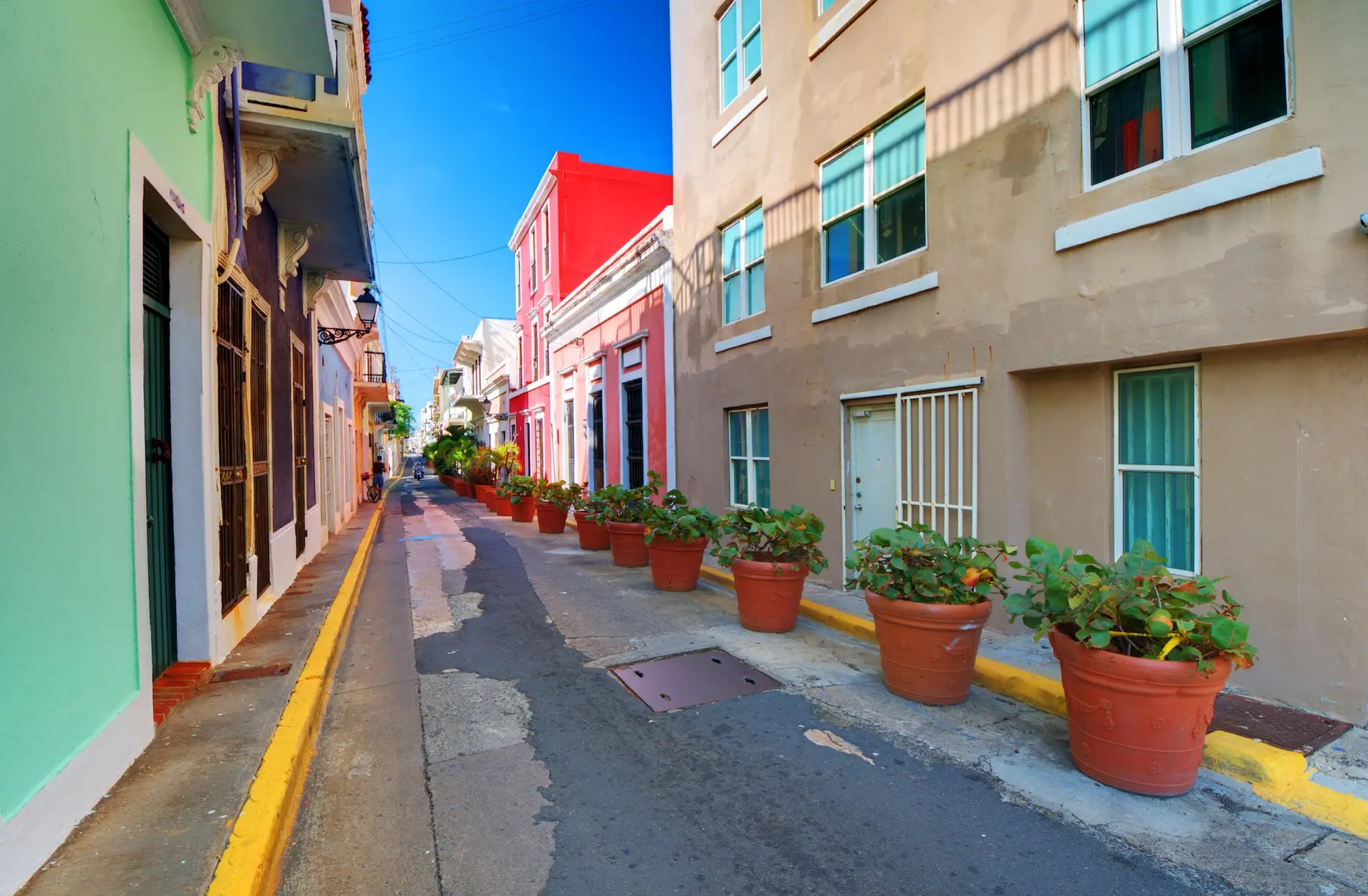
The port itself, finally noticed
Every harbour has an old town that the itinerary ignored because the boat was meant to be elsewhere. When the weather insists, the town is still there — coloured facades, a back-alley café, a market that closes at three and rewards anyone who arrives before.

The cliff path above the bay
A coastal trail begins, on most charted islands, within a twenty-minute walk of the marina. The view of one's own boat from a headland is a quiet revelation — the geometry of the hull smaller than expected, the sea larger than remembered.
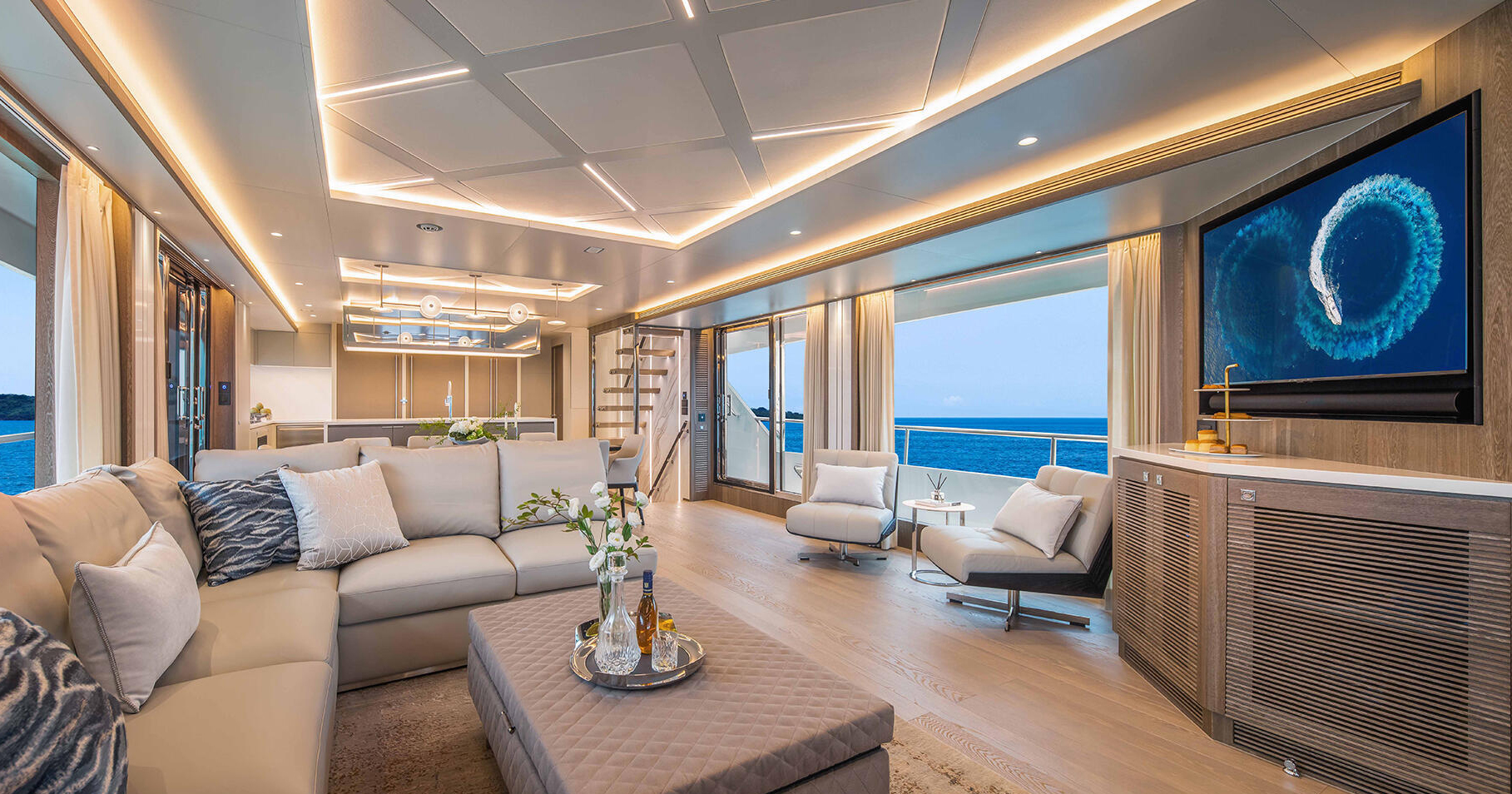
A film, a board, the salon closed
A long afternoon of rain, the salon curtains drawn, a film the crew had been meaning to see together. A backgammon set on the low table, a book passed between cabins. On the right boat, these hours are not waiting — they are the cruise.
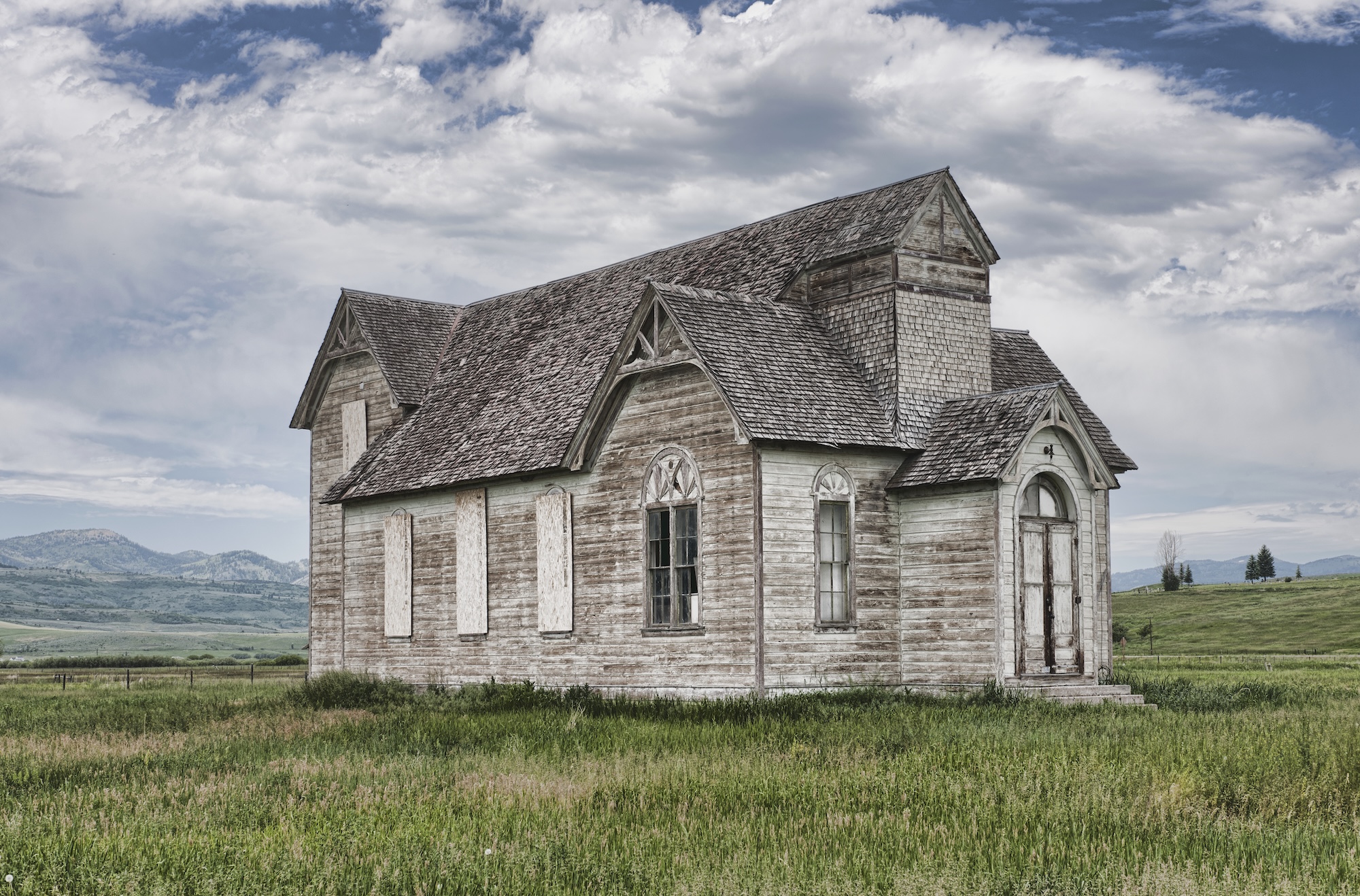
The itinerary is a proposal. The sea decides what becomes of it.
USA Onboard · EditorialWhat is lost, and
what is quietly found
There is an instinctive resistance, on almost every boat, to the moment the plan has to be abandoned. Months of preparation, reservations secured, a crew that has flown in from three cities — and now a forecast, or a fuel pump, or a full anchorage, insisting that none of it will happen as written. The resistance is natural. It is also, almost invariably, the wrong response.
What the plan-that-failed offers, instead, is something more valuable than the plan itself: the obligation to pay attention. The harbour that was not on the list. The inland path that existed the whole time but went unnoticed because the itinerary was pointing elsewhere. The afternoon the crew spent together indoors because the sea would not let them out.
Ask any skipper which evenings they remember from a long cruise, and the answer is almost never the ones that went according to plan. The ones remembered are the improvised ones — dinner ashore in the wrong village, a film played in the salon because the squall sat over the bay, a conversation that ran past midnight because there was nowhere to be the next morning.
Two versions of the same week
A comparative ledger, kept honestly. What the itinerary promised, and what the trip actually delivered.
The flexibility kit, in three registers
Flexibility is not improvised on the day it is needed. It is built into the boat, the phone and the captain's head before departure.
The most experienced captains carry two logs in their head. The one they intend to write on the way out, and the one they know they will actually write on the way home. The difference between the two is where the cruise lives.
USA Onboard · The Art of CruisingFeature Desk
Ocean Cruising Club · Cruising World
Image Library