




MOST READ

NEWSLETTER

Luxury boating stories, delivered to your inbox every week.

EDITOR'S CHOICE

Scroll
Cruising Philosophy · Tech Report

The Art of Changing
Course Gracefully

Weather shifts, anchorages fill, engines disagree with the calendar. The cruiser who reads the itinerary as a draft rather than a contract is not improvising — they are practising the oldest and least discussed discipline at sea.

USA Onboard Editorial · Tech Report · 2026 · Reading · 11 min

Every cruise returns home as two voyages. The one plotted in the logbook months in advance, smooth on paper and pleasing in the mind, and the one the sea actually allowed — rerouted, delayed, quietly rewritten somewhere between the first anchorage and the last.

Ask any captain with a few thousand nautical miles in the wake, and the answer is almost invariably the same: the second voyage is the one worth remembering. The itinerary is not discarded; it is consulted, adjusted, occasionally abandoned. What replaces it — a forced night in a small harbour, a cove discovered because the original anchorage was full, a village whose name nobody had looked up — tends to be where the real story of the trip lives.

This is the discipline the trade calls creative flexibility, though it rarely earns a chapter in the seamanship manuals. It is not improvisation, which implies the absence of a plan. It is the older and more demanding art of holding a plan loosely — firm enough to navigate by, soft enough to yield when the weather, the mechanics or the harbourmaster's office decides otherwise.

On a pleasure cruiser, the stakes are lower than on a commercial run, but the temptation is higher. The calendar has been cleared, the guests have flown in, the reservation at the beach club was made in March. The pressure to make it happen is the single largest source of poor decisions in recreational boating. The captain who learns to dissolve that pressure — who treats arrival dates as orientations rather than obligations — is no longer navigating against the sea. They are navigating with it.

85%
Forecast Confidence Ceiling

The share of the time modern weather models are expected to be correct, according to professional weather routers. The remaining fifteen per cent is, in effect, where creative flexibility earns its keep.Jon Bilger · PredictWind, via Yachting World

On the Water · The Four Interruptions

The sea's short catalogue
of plan changes

Every cruise, regardless of length or sophistication of boat, is vulnerable to the same small group of disruptions. The list is shorter than most owners expect, and the captains who study it have an easier time on the water than those who wait to be surprised by it.

The first and most common is weather that refuses the forecast. A front arrives twelve hours early, a ridge behaves unlike the model, a local wind — the bora in the Adriatic, the meltemi in the Aegean, the summer squalls of the Bahamas — overrides the wider pattern. Professional routers expect modern models to be right roughly eighty-five per cent of the time. The remaining fifteen is not an abstraction; it is Tuesday afternoon, with a cove ten miles downwind and the seas building faster than planned.

The second is the mechanical event. A fuel filter clogs, a bilge pump refuses to prime, an electronic chart plotter loses satellites. None of these is dramatic. All of them reroute the day. On a modern yacht, with redundant systems and a crew that knows its onboard inventory, a mechanical event is a pause, not a crisis. On a less prepared boat, it becomes the reason a planned week at sea turns into a week alongside a pontoon, waiting for a part.

The third is the full anchorage. A destination reached late in the high season, a mooring field at capacity, a bay whose coordinates everyone in the fleet happens to share. The third boat to arrive at a popular cove on a summer Saturday is rarely the boat that anchors comfortably. Nothing on the chart warns of this. Experience and local channels do.

The fourth — quieter, less discussed — is the crew variable. A child who wakes queasy. A guest who has discovered they dislike open water. A captain who has not slept well in three nights and should not be pushing another passage. These changes rarely make it into the trip report. They alter nearly as many itineraries as the weather.

The Forecasting Horizon
Consensus among experienced weather routers places the reliable forecast window at roughly five days, stretching to around ten at the outer limit of trust. Beyond that, what sailors read on the screen is closer to a climatological hint than a predictive statement. The implication is editorial as well as tactical: any itinerary planned more than a week out is, by definition, a draft.
Weather · Reassessed
Annotated Diagram

How an experienced captain reroutes a day

A simplified map of the question tree that runs, almost silently, in the head of the skipper at dawn when the forecast has turned.

— CLOSES SOON — — STAYS OPEN — ADEQUATE INSUFFICIENT 0 Forecast revised at dawn The plan meets the day 1 2 3 4 Leave within the window Shortened passage, safe harbour 5 Stay · adapt ashore The day becomes a landed one 6 Proceed · revised route Alternate anchorage identified
01

Is the forecast trend firm across two models?

The first question is not is it bad, but is the signal consistent. Two independent models in agreement are worth more than one dramatic outlier.

02

Is a six-hour window still available?

If the weather is degrading but a clean window remains, an early departure is preferable to a crowded afternoon departure into the same system.

03

Does the present harbour offer real shelter?

Some moorings are only "protected" on paper. Fetch, holding ground and swell direction matter more than the harbour's reputation.

04

Leave within the window.

The shorter passage to a safer harbour downwind. Often this means abandoning the original destination for a closer one, without emotion.

05

Stay · adapt ashore.

The day becomes a landed one. Provisions, a village, a meal cooked on board while the rain crosses. Most crews remember these days better than the passages they replaced.

06

Proceed · revised route.

An alternate anchorage in the pilot guide, a bay the chart flagged but the itinerary ignored. The plan changes; the trip continues.

Anatomy of a Changed Day

A Wednesday in the Balearics

A plan collapses at 06:40 and reconstructs itself by dinner. The reconstruction is the point.

06:40
The models disagree
GFS and ECMWF diverge on the afternoon. One model holds the window open until 15:00; the other closes it by 12:00. The captain reads both, trusts neither entirely, and assumes the earlier close.
07:15
Original destination withdrawn
The planned anchorage lies downwind of a swell that will build by midday. Continuing would be possible but uncomfortable. The decision is made at the chart table, with coffee, before the crew is dressed.
08:20
Local marina contacted
A berth is available in a port twelve miles closer, previously dismissed as "not worth the stop." The VHF exchange takes four minutes. The itinerary has been rewritten.
11:40
Arrival under clearing sky
The front that justified the change passes north of the track. The harbour is calm, half-empty, and run by a family that recognises the boat's flag and sends fresh bread to the pontoon.
14:30
A chapel inland
A footpath from the marina leads, in thirty minutes, to a small abandoned chapel no one on board had heard of. The guidebook did not list it. Neither did the plan.
19:10
Dinner in the old town
Two tables on a stone street, a menu in a language no one quite reads, a recommendation from the marina's dockmaster. The meal will be mentioned by name in the trip report three months later.
22:45
The log is closed
The original destination will be reached, eventually, two days late. The line in the logbook for this day is three sentences long. It is the line most often read aloud, later, when the trip is remembered.
The Landed Catalogue

Four ways a cancelled passage becomes a day

The afternoons that replace a planned passage rarely look alike. They share only this: the best of them were never on the itinerary.

A family in a rented golf cart on a tropical island road
Plan B · I

A rented cart, an island circled

A golf cart, a scooter, a small open vehicle hired for the afternoon. The island seen from the inland road is a different island from the one seen off the bow, and the crew tends to remember the ground-level version better.
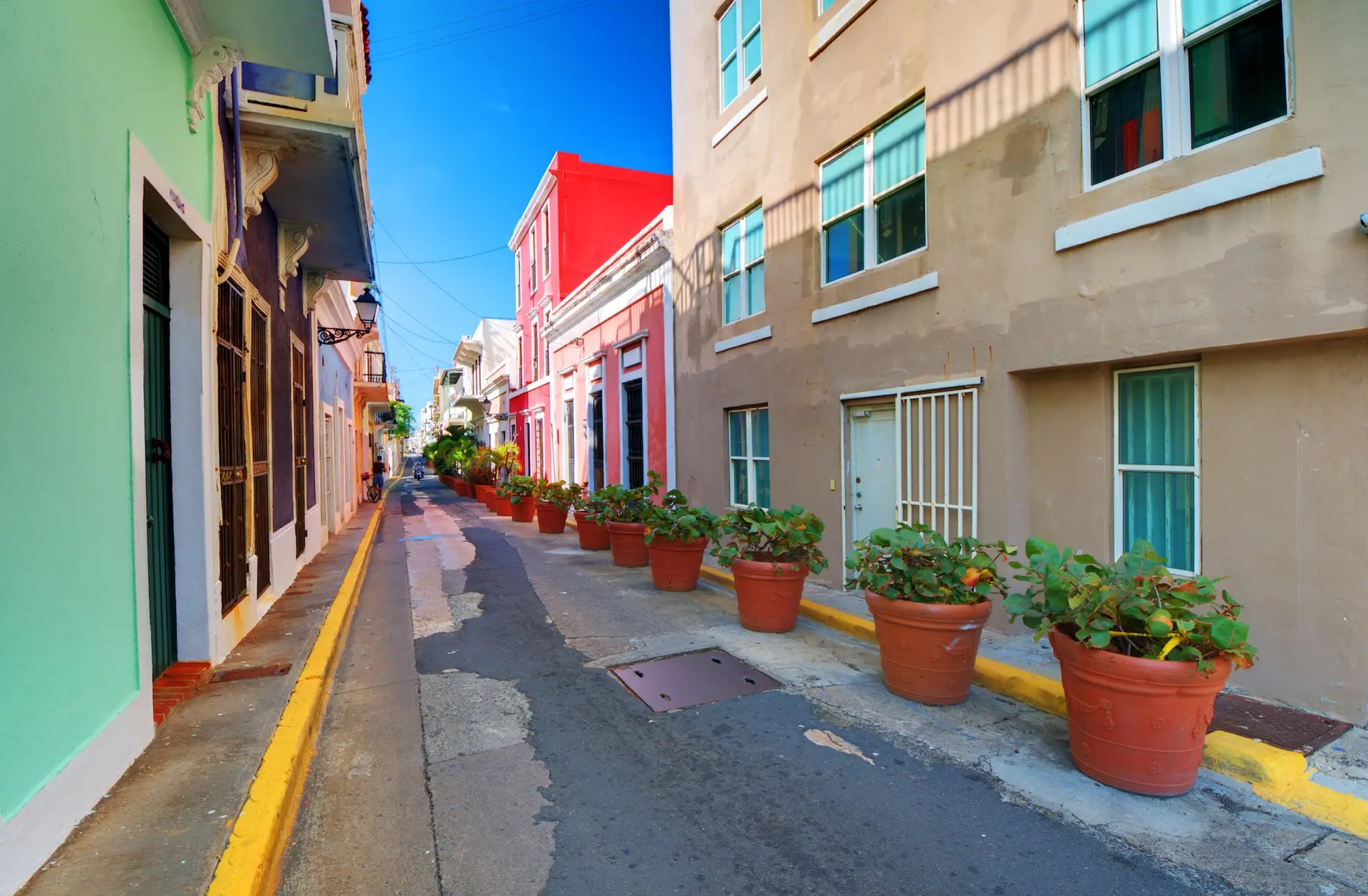
Colourful alley in the old city of San Juan, Puerto Rico
Plan B · II

The port itself, finally noticed

Every harbour has an old town that the itinerary ignored because the boat was meant to be elsewhere. When the weather insists, the town is still there — coloured facades, a back-alley café, a market that closes at three and rewards anyone who arrives before.

Hiker walking on a coastal path near dramatic flysch cliffs
Plan B · III

The cliff path above the bay

A coastal trail begins, on most charted islands, within a twenty-minute walk of the marina. The view of one's own boat from a headland is a quiet revelation — the geometry of the hull smaller than expected, the sea larger than remembered.
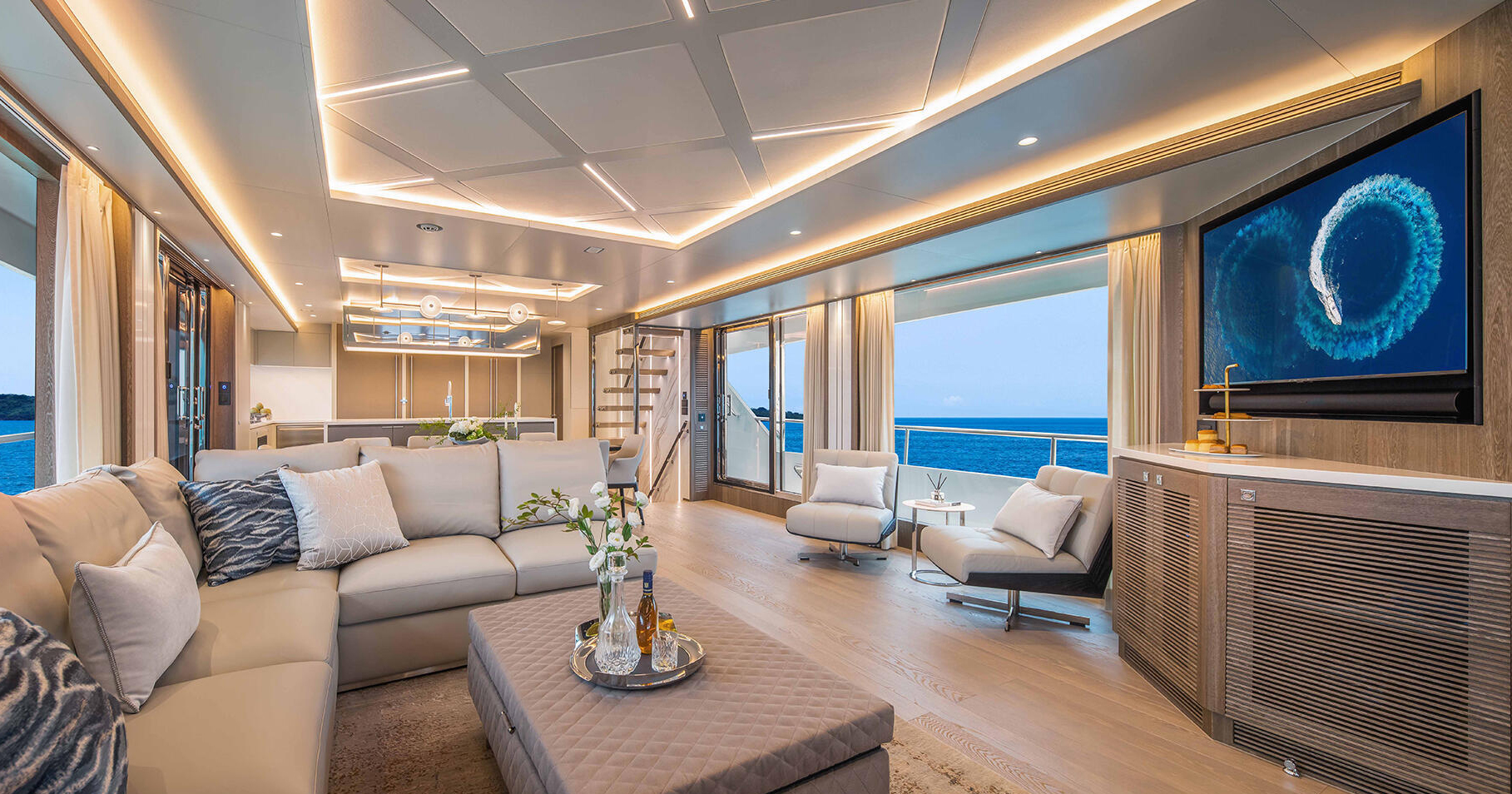
Yacht main salon interior with large television screen
Plan B · IV

A film, a board, the salon closed

A long afternoon of rain, the salon curtains drawn, a film the crew had been meaning to see together. A backgammon set on the low table, a book passed between cabins. On the right boat, these hours are not waiting — they are the cruise.
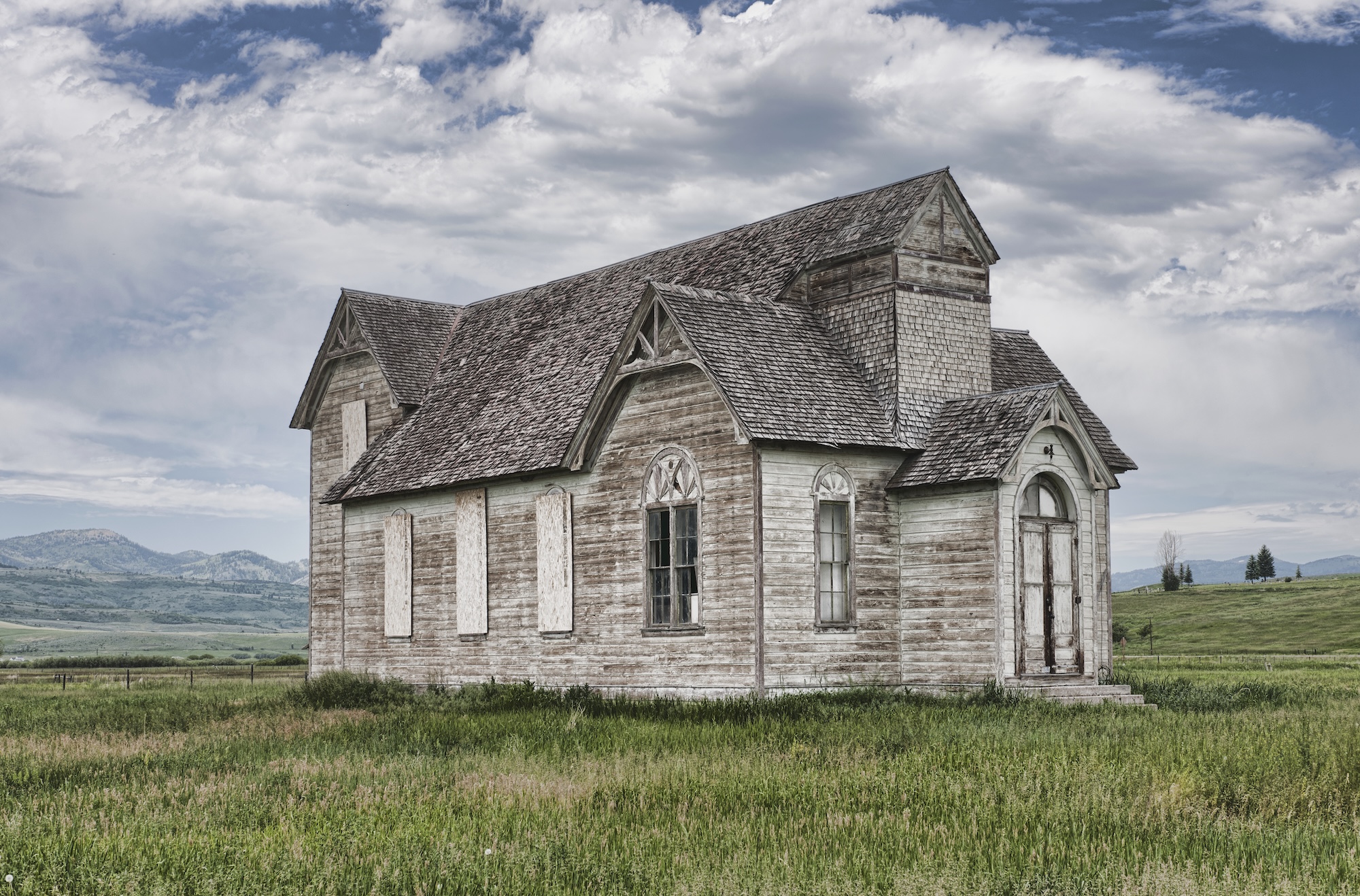
Abandoned chapel in the countryside
Unscheduled · A chapel found on foot

The itinerary is a proposal. The sea decides what becomes of it.

USA Onboard · Editorial
The Verdict

What is lost, and
what is quietly found

There is an instinctive resistance, on almost every boat, to the moment the plan has to be abandoned. Months of preparation, reservations secured, a crew that has flown in from three cities — and now a forecast, or a fuel pump, or a full anchorage, insisting that none of it will happen as written. The resistance is natural. It is also, almost invariably, the wrong response.

What the plan-that-failed offers, instead, is something more valuable than the plan itself: the obligation to pay attention. The harbour that was not on the list. The inland path that existed the whole time but went unnoticed because the itinerary was pointing elsewhere. The afternoon the crew spent together indoors because the sea would not let them out.

Ask any skipper which evenings they remember from a long cruise, and the answer is almost never the ones that went according to plan. The ones remembered are the improvised ones — dinner ashore in the wrong village, a film played in the salon because the squall sat over the bay, a conversation that ran past midnight because there was nowhere to be the next morning.

Planned vs. Realised

Two versions of the same week

A comparative ledger, kept honestly. What the itinerary promised, and what the trip actually delivered.

— What was planned
Seven anchorages in seven nights. One cove per day, progressing south along a well-charted coast, each destination chosen months earlier from a guide.
A dinner reservation at a beach club. Confirmed in March, for Thursday, at a restaurant accessible only by tender from a specific bay.
Sunrise passages each morning. Two-hour hops along a consistent rhumb line, the boat in motion before breakfast, at anchor again by lunch.
Minimal time ashore. The itinerary treated land as a place to provision. Two supermarket stops and one fuel call were the extent of the ground-based plan.
Photographs of specific views. A shot list shared by the owner's group chat. Three of the seven anchorages had been selected for their visibility from the flybridge at golden hour.
— What was realised
Five anchorages, three of them unscheduled. A gale closed the third day's cove; a full mooring field diverted the fifth. The two nights spent elsewhere became the trip's most discussed.
Dinner in a fishing village instead. The beach club was inaccessible when the weather closed in. A dockmaster recommended a family restaurant. It was cheaper, better, and remembered by name.
Two days spent at anchor, not underway. The crew read, cooked, walked ashore, and — on the second rainy afternoon — played backgammon until the swell abated. Nobody complained.
A full day inland on rented bicycles. A cliff path, a quiet village, an abandoned chapel none of the guides had flagged. The unscheduled day outranked most of the planned ones in the trip report.
Photographs of different things. A storm passing north of the anchorage at 19:00. A child asleep on a salon sofa. A pontoon at first light. None of these were on the shot list. All of them were printed.
Preparation

The flexibility kit, in three registers

Flexibility is not improvised on the day it is needed. It is built into the boat, the phone and the captain's head before departure.

01
On the phone
Digital, redundant, offline
i.Two weather apps with overlapping models — one GFS-biased, one ECMWF-biased — with the cruising zone downloaded for offline use.
ii.Cartography pre-downloaded for the full region, not only the planned route. The cove the plan ignored is the one the rerouted day will need.
iii.A contacts list of marinas, yards and local agents across every port within a day's range of the itinerary.
iv.A short list of alternate anchorages with GPS coordinates, written in a note that opens without signal.
v.An offline translation app. Small ports in the Mediterranean rarely speak the language of the charter contract.
02
In the head
Mental, rehearsed, held lightly
i.Three alternate anchorages identified for every planned stop, reviewed the night before.
ii.The nearest sheltered harbour, at every moment of the passage, present in the skipper's mind without consulting the screen.
iii.An informal budget for the unplanned night — an unexpected marina, a minor repair, a taxi inland.
iv.A crew conversation, conducted before departure, establishing that the plan is a proposal. Shared expectations reduce friction on the day the proposal is revised.
v.A memory — one's own or someone else's — of a cruise that became better because it changed.
03
On the boat
Physical, onboard, already packed
i.A serviceable repair kit for the common small failures, with its contents known to everyone on board, not only to the skipper.
ii.Fuel reserves kept above fifty per cent throughout the cruise. Range is the physical form of flexibility.
iii.Provisions for two days beyond the itinerary's longest stretch. Unplanned nights need to eat.
iv.Equipment for the days spent at anchor: folding bicycles, a paddleboard, snorkelling gear. The rerouted day is often a landed one.
v.Books, board games, a small library. Two afternoons of rain are inevitable on any cruise longer than a week.

The most experienced captains carry two logs in their head. The one they intend to write on the way out, and the one they know they will actually write on the way home. The difference between the two is where the cruise lives.

USA Onboard · The Art of Cruising
Editorial Credits
Editorial
USA Onboard
Feature Desk
Sources
PredictWind · Yachting World
Ocean Cruising Club · Cruising World
Photography
USA Onboard
Image Library
Notes & References
1. Forecast confidence. The 85% figure is attributed to Jon Bilger, founder of PredictWind, writing in Yachting World (2023). The number reflects expected agreement across modern model ensembles, not the likelihood that a single forecast will prove correct.
2. The forecasting horizon. Five days is the broad consensus among weather routers for a reliable passage forecast; ten days is the outer edge of useful guidance. Beyond that, forecasts approach climatological averages.
3. Weather window. A defined period of favourable conditions within which a passage can be safely and comfortably made. Experienced cruisers build itineraries around windows rather than around dates.
4. Climate-driven unpredictability. The Ocean Cruising Club and several weather routers, including Sebastian Wache in Yachting World (2023), have documented increasing disruption of established trade-wind patterns, with direct implications for itinerary planning.
5. Balearics case (07:15). The Wednesday reconstructed in this article is a representative composite drawn from captain's reports and editorial interviews. Times, decisions and sequence reflect typical practice rather than a single identified voyage.
6. Editorial note. This article is a reflective feature, not a safety document. Decisions at sea remain the responsibility of the captain, informed by official forecasts, local knowledge and vessel condition.
This site is registered on wpml.org as a development site. Switch to a production site key to remove this banner.